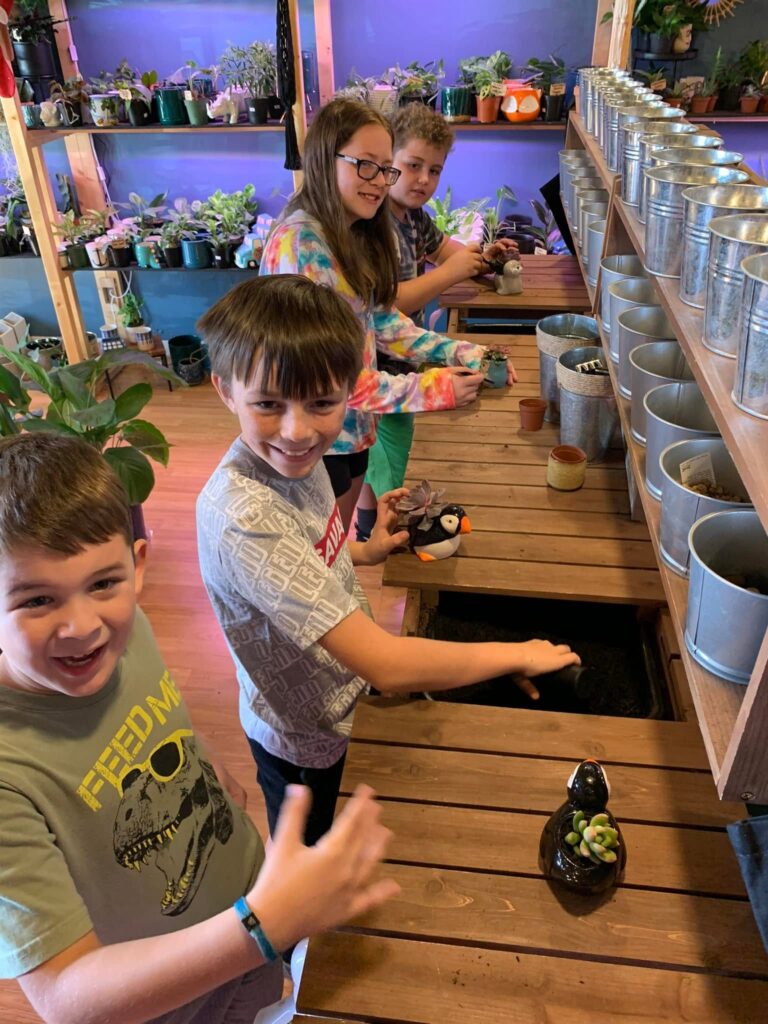
A preschooler can spend twenty minutes building an elaborate block tower, knock it down in two seconds, argue passionately that the red block belongs on top, abandon the whole thing for a picture book, and somehow learn from every part of the experience.
That can make preschool difficult to judge from the outside.
Parents naturally want to know that their children are learning. They may look for recognizable evidence: letters on a worksheet, numbers written correctly, a child spelling a name, or a folder full of completed projects. Those things can be part of preschool, but they represent only a portion of what children are developing between roughly ages 3 and 5.
So what should a child learn in preschool?
A strong preschool experience should help children develop language, early literacy and math, social skills, emotional regulation, independence, physical coordination, curiosity, and the ability to participate in a group. Preschool is also where children begin building the routines and confidence that will eventually make kindergarten feel manageable.
It should not be an attempt to turn a 3-year-old into a first grader early.
Some of the most important learning in preschool does not look academic at all.
A Preschooler Should Learn How to Communicate
Language develops rapidly during the preschool years.
Children start carrying longer conversations, asking an astonishing number of questions, explaining what happened during the day, retelling parts of stories, naming their feelings, and finding increasingly specific words for what they see.
The CDC’s current developmental milestones note that by age 3, most children can participate in at least two back-and-forth conversational exchanges, ask questions such as who, what, where, and why, and speak clearly enough to be understood most of the time.
That does not come only from vocabulary exercises.
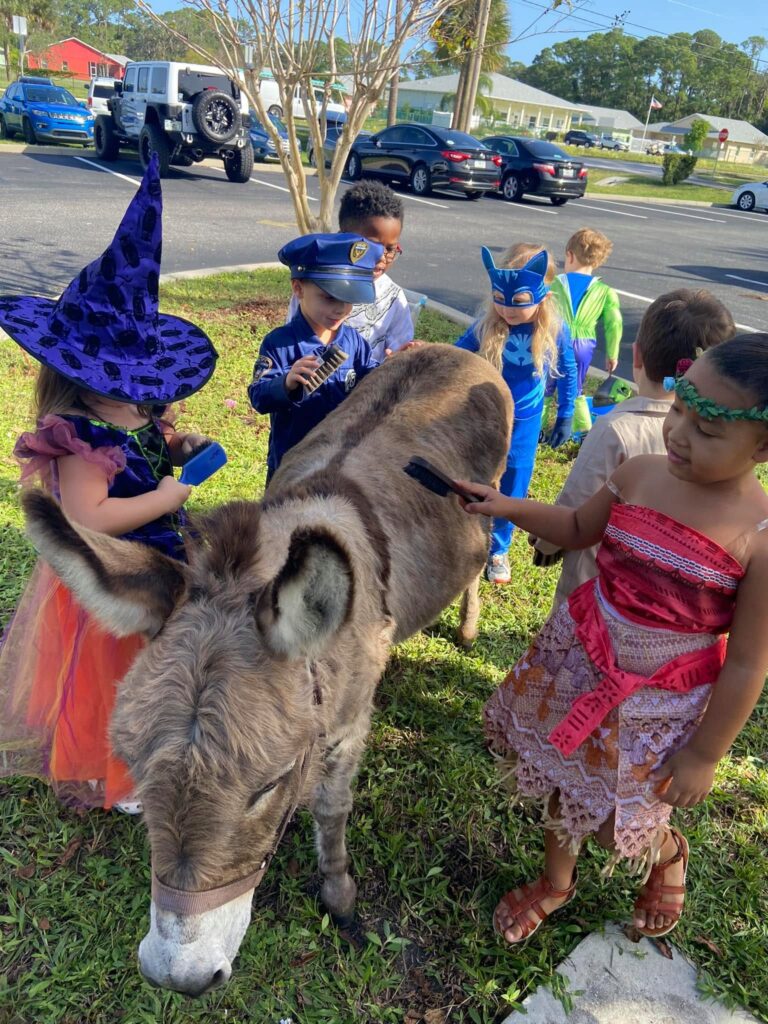
It happens when a teacher asks a child why a tower fell and waits for an answer. It happens when children talk during lunch, describe a painting, listen to a story, explain the rules of an imaginary game, or tell a friend they do not like what just happened.
Conversation is learning.
A good preschool classroom should give children plenty to talk about and adults who actually listen to what they say.
Early Literacy Starts Before Independent Reading
Parents sometimes worry when another preschooler appears to be reading and their child is not.
Independent reading is not a prerequisite for being a successful preschool student.
The American Academy of Pediatrics points out that although some 4-year-olds become interested in reading early, there is no need to push a preschooler into formal reading before they are developmentally ready.
Early literacy starts further back.
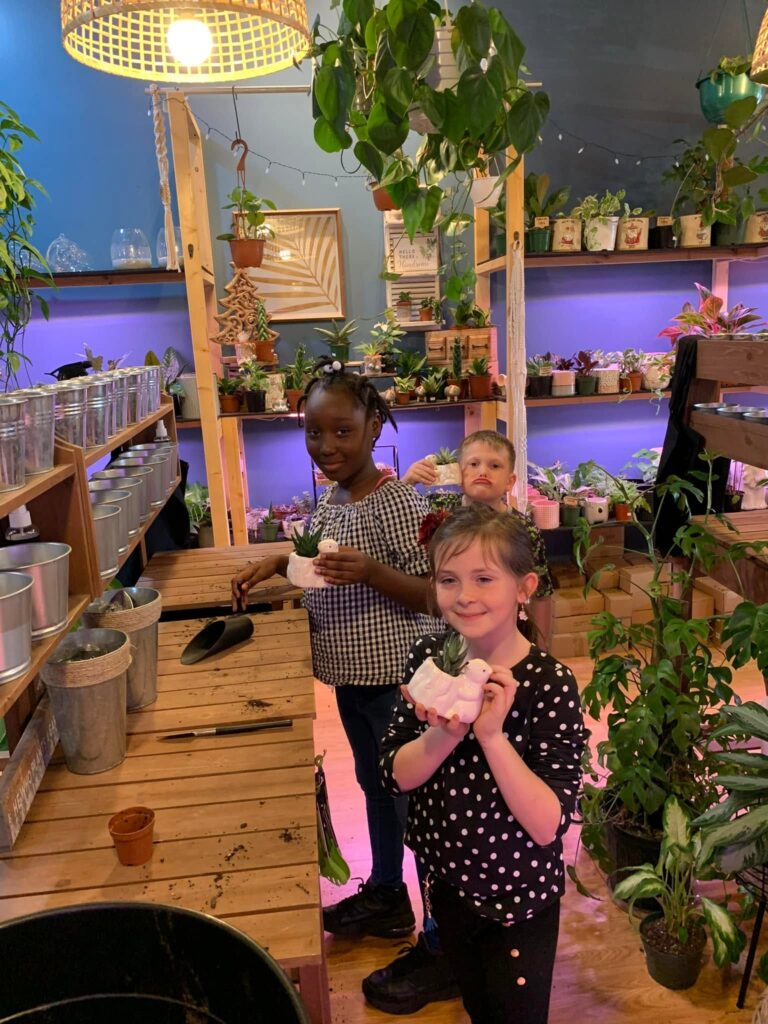
Children learn that printed words carry meaning. They notice that books move in a particular direction. They recognize their own name. They hear rhymes, identify sounds, learn letters, connect some letters with sounds, and begin making marks that gradually resemble writing.
Reading aloud is enormously useful because it develops language and comprehension without turning story time into a test.
Ask what a character might do next. Let a child finish a familiar line. Talk about the pictures. Wonder aloud about a new word. Read favorite books repeatedly even when the adult in the room could recite them from memory.
Repetition is not wasted on a preschooler.
It is often how learning settles in.
Letters Matter, but Knowing the Alphabet Is Not the Whole Goal
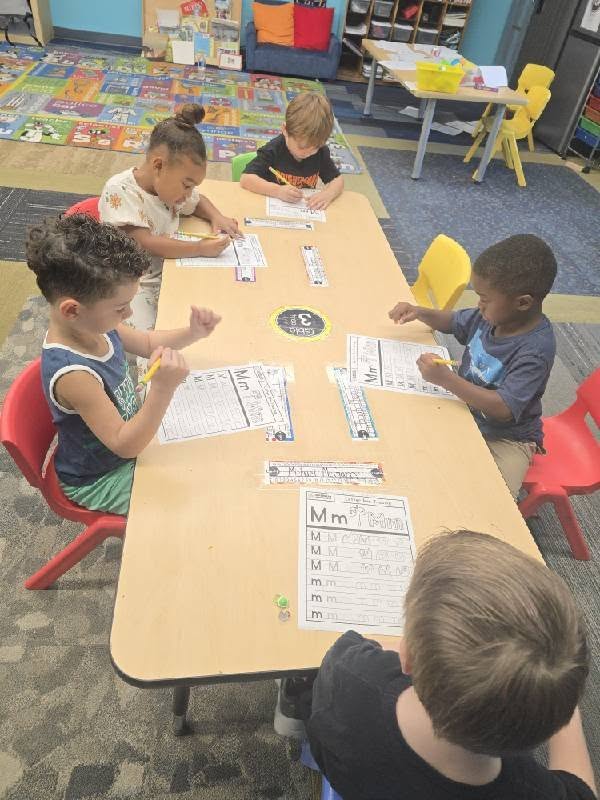
Preschool children should become increasingly familiar with letters, particularly the letters in their own names and other words they see frequently.
By around age 5, CDC milestones include naming some letters and writing some letters in the child’s own name.
That is a useful developmental reference, not a deadline that every child must meet on the same Tuesday.
One child may become fascinated by letters at 3. Another may spend far more time drawing, building, talking, and pretending before print starts capturing attention.
Preschool teachers can support both children.
The goal is to build familiarity and confidence instead of turning letters into a source of pressure. Songs, magnetic letters, labels around the classroom, names on cubbies, storybooks, drawing, and playful writing activities can all contribute.
Children are much more likely to become interested in print when it belongs to something meaningful.
Their own name is meaningful.
A note to Mom is meaningful.
The word on a favorite book is meaningful.
That is a more durable foundation than memorizing symbols without understanding why anybody uses them.
Numbers Should Become Real, Not Just Recited
A child who can chant “one, two, three, four, five” has learned something useful.
A child who can look at four crackers and understand that there are four has begun developing a deeper mathematical idea.
Preschool math is built through experiences like those.
Children count objects, compare groups, notice which tower is taller, recognize shapes, copy patterns, sort items, talk about more and less, and begin connecting written numerals with quantities.
By age 5, the CDC lists counting to 10 and recognizing some written numbers between 1 and 5 among common cognitive milestones.
A good preschool classroom does not need to isolate math into worksheets.
Snack can involve counting.
Blocks introduce size, shape, balance, symmetry, and spatial reasoning.
Putting classroom objects away involves sorting.
Following a recipe introduces quantities and sequence.
A walk outside produces opportunities to compare leaves, count steps, notice shapes, or predict which objects might roll.
For a preschooler, mathematics is everywhere once adults know how to invite attention to it.
Learning to Be With Other Children Is Serious Work
Imagine trying to learn the rules of friendship without knowing what any of the rules are.
That is part of preschool.
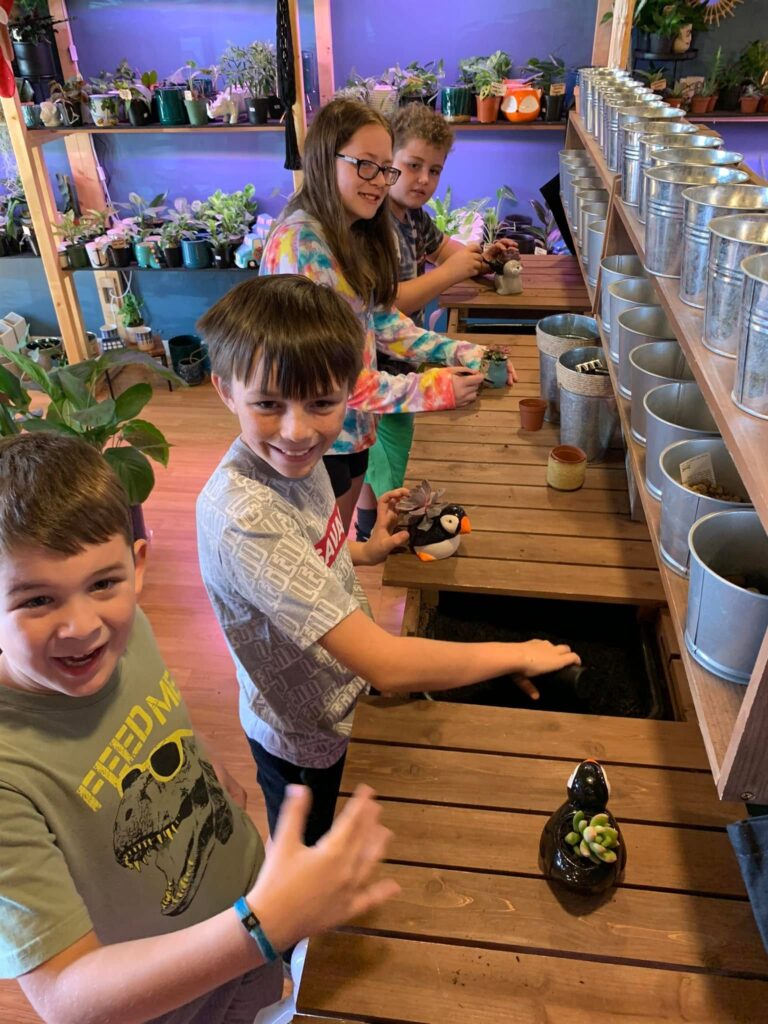
Young children are learning that another person can want something different from what they want. They are figuring out how to join a game, take turns, share materials, recover after an argument, ask for help, and understand why another child might be upset.
Adults do those things so automatically that it is easy to forget they were learned.
The CDC notes that by age 3, most children are beginning to notice other children and join them in play. By age 5, common milestones include following rules or taking turns while playing games with other children.
That growth does not happen because a teacher tells children once that sharing is important.
It happens through hundreds of small classroom encounters.
Someone takes the truck.
Someone interrupts the game.
Someone wants to be the doctor instead of the patient.
Someone gets left out.
A teacher helps children find words, recognize feelings, make another attempt, and eventually handle more of these situations independently.
That is one of preschool’s most valuable forms of preparation for school.
Emotional Skills Belong in the Curriculum Too
A child who knows 20 letters but cannot recover from a minor frustration is still learning something essential for the classroom.
Preschool should give children opportunities to understand emotions without expecting them to manage those emotions like adults.
They can begin learning to say, “I’m mad,” instead of immediately hitting.
They can learn to ask for a turn instead of grabbing.
They can discover that disappointment feels bad but eventually passes.
They can learn what helps them calm down.
The American Academy of Pediatrics describes social, emotional, and behavioral development as central to school readiness alongside academic skills. The ability to pay attention, cooperate, communicate emotions, control impulses, form friendships, and follow directions all contribute to a child’s ability to succeed in school.
Parents looking at preschools should therefore pay close attention to what teachers do when a child is having a difficult moment.
Those moments reveal much more about a program than a perfectly decorated bulletin board.
Independence Grows One Small Task at a Time
Preschoolers are beginning to discover an extremely important phrase:
“I can do it.”
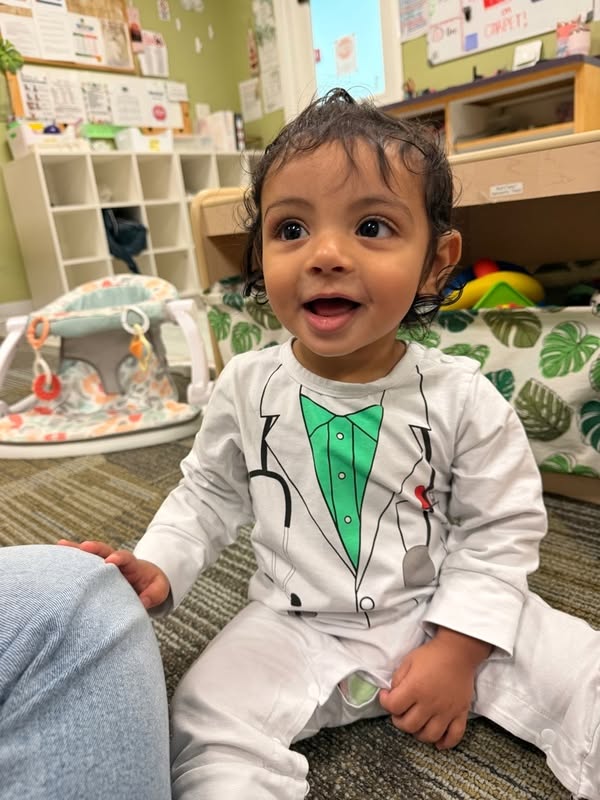
That might mean putting on a backpack, washing hands, opening part of a lunch, cleaning up toys, choosing an activity, putting supplies away, or attempting a zipper.
Adults can usually complete these tasks much faster.
That is not the point.
When children are given reasonable chances to do things for themselves, they build coordination, persistence, memory, and confidence at the same time.
The CDC notes increasing independence throughout the preschool years, including helping with simple chores and, by age 5, handling tasks such as buttoning some buttons.
These ordinary skills become surprisingly important when kindergarten begins.
A classroom teacher cannot perform every small task for twenty children simultaneously. A child who can manage basic routines has more mental space available for the actual school day.
Preschool is where much of that independence begins.
Fine Motor Skills Prepare the Hands for Writing
Writing requires far more physical control than adults tend to notice.
Before children can form letters comfortably, their hands need strength and coordination.
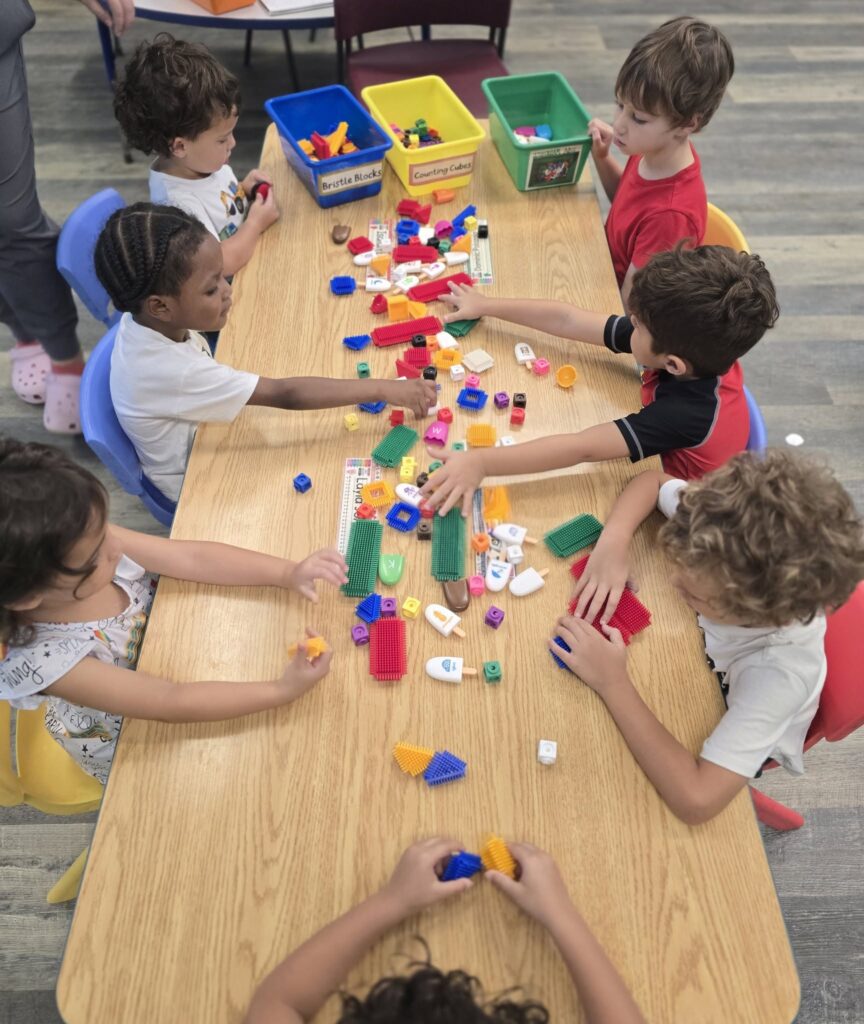
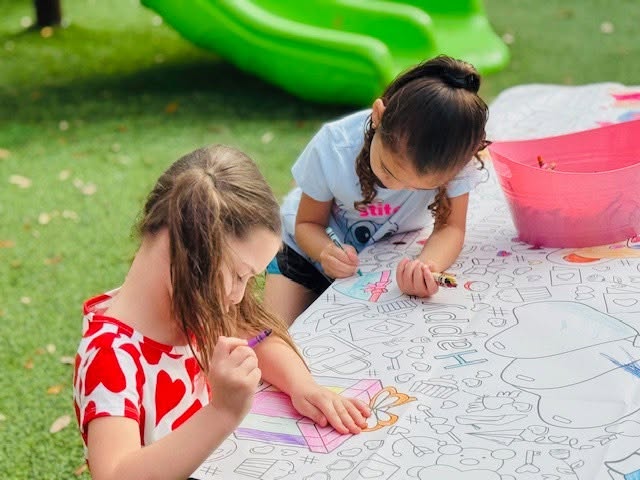
Drawing, coloring, squeezing play dough, using child-safe scissors, stringing beads, building with small blocks, painting, manipulating puzzle pieces, and turning book pages all contribute.
The CDC specifically recommends activities such as drawing and play dough to build hand and finger skills during the preschool years.
This is why a classroom filled with art, construction, and hands-on materials is not taking time away from academics.
Those activities are part of the preparation.
A 3-year-old’s crooked circle and enthusiastic scribbling can be early steps toward the pencil control that will later be needed for letters and numbers.
Development often hides inside play.
Gross Motor Development Needs Space Too
The rest of the body is developing just as quickly.
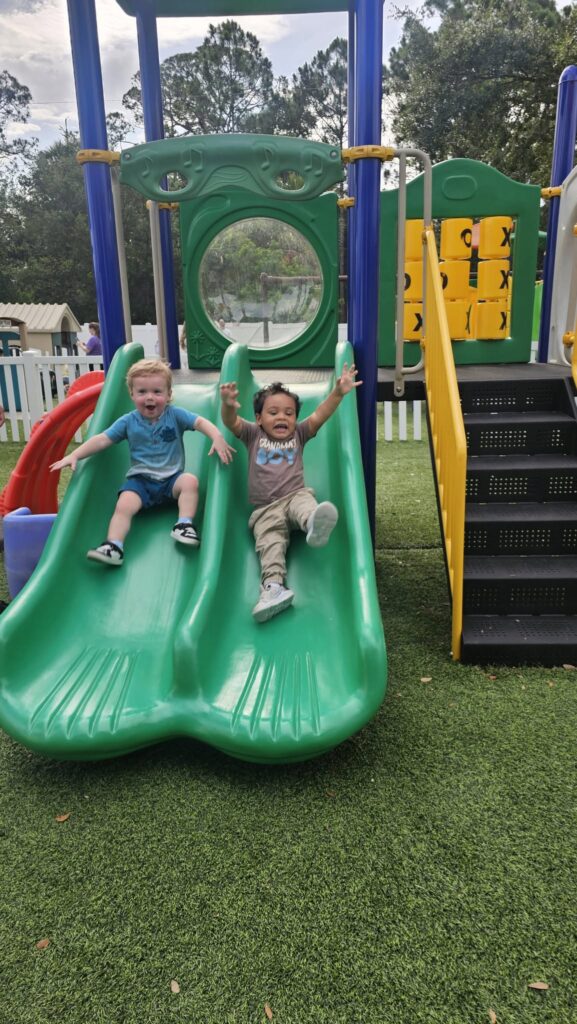
Running, jumping, climbing, throwing, catching, balancing, dancing, and playground activities strengthen coordination and body awareness.
By age 5, hopping on one foot is among the physical milestones the CDC tracks.
Outdoor play also gives young children something classrooms cannot completely replicate: room to move at full scale.
That matters for children who have spent the morning concentrating during a story or working carefully at a table. Movement is not simply a reward after learning is finished.
For preschoolers, movement is part of learning.
Games can teach rules and turn-taking. Climbing requires judgment and problem-solving. Dancing connects rhythm with movement. Chasing friends around a playground demands spatial awareness and constant social negotiation.
A preschool schedule should make room for the body as well as the brain.
Preschool Should Make Children Curious
Sometimes the most encouraging preschool question is not “What letter is this?”
It is “Why did that happen?”
Curiosity is one of the engines of early learning.
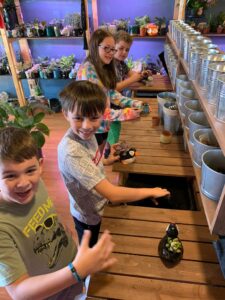
Children pour water between containers and discover volume. They mix colors. They watch something sink. They build a bridge that collapses and try again. They plant a seed and return later to find something has changed.
This is the beginning of scientific thinking.
Preschool S.T.E.A.M. activities can introduce science, technology, engineering, art, and mathematics without turning the classroom into a formal laboratory. The value lies in observation, experimentation, prediction, and problem-solving.
A teacher does not always need to immediately provide the answer.
“What do you think will happen?”
That question invites the child into the thinking.
Attention Does Not Mean Sitting Still All Day
Parents often ask whether their preschooler should be able to sit and focus before kindergarten.
Yes, attention gradually develops during these years.
No, that does not mean a 4-year-old should spend hours seated at a desk.
By age 5, the CDC identifies paying attention for roughly five to ten minutes during activities such as story time or arts and crafts as a common developmental milestone, excluding screen time.
Preschool helps stretch that ability gradually.
A child listens through a short book.
Later the stories get longer.
A project requires several steps.
A child learns to finish one portion before moving to something else.
Interest matters enormously. Preschoolers can often focus much longer on a construction project or imaginary game they care about than on an adult-directed task that has little meaning to them.
A skilled teacher works with that reality instead of fighting it.
What Should a 3-Year-Old Learn Compared With a 4-Year-Old?
A year is enormous in early childhood.
A newly 3-year-old child and a nearly 5-year-old child may technically both be called preschoolers while occupying very different developmental worlds.
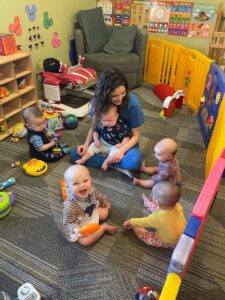
At 3, much of the work centers on language, classroom routines, joining other children in play, following simple directions, beginning letter and number awareness, strengthening motor skills, and becoming comfortable away from a parent or caregiver.
As children move toward 4 and 5, the expectations gradually expand. Conversations become richer. Early writing becomes more recognizable. Counting begins connecting to quantities. Children can follow more complicated routines, sustain attention longer, tell more complete stories, and handle increasingly sophisticated social situations.
The point is progression.
Preschool should meet a child where development actually is and help that child move forward.
It should not expect every student in the room to produce identical results simply because their birthdays fall in the same year.
What Should a Child Know Before Kindergarten?
This question can create unnecessary anxiety because parents often imagine a checklist of academic facts.
Kindergarten readiness is broader.
A child benefits from recognizing letters and numbers, having early writing experience, understanding books, listening to stories, and developing basic number sense.
But the American Academy of Pediatrics also emphasizes communication, listening, cooperation, following directions, social interaction, emotional regulation, and physical development when discussing school readiness.
A child who enters kindergarten curious, communicative, increasingly independent, comfortable asking for help, able to participate in a group, and eager to engage with books and numbers has a meaningful foundation for learning.
Reading fluently at age 4 is not the admission ticket.
Developmental Milestones Are Guides, Not a Competition
Children do not all develop in exactly the same order or at exactly the same pace.
One child may have advanced language and still struggle with fine motor control. Another may be physically confident but quieter in conversation. A third may know many letters but find transitions difficult.
Developmental milestones give parents and professionals useful reference points, but the CDC specifically explains that its milestone materials are not substitutes for standardized developmental screening.
Parents who are curious about what is typical at different ages can use the CDC’s developmental milestone resources.
If a parent notices that a child has lost a skill they once had or has concerns about development, the appropriate next conversation is with the child’s pediatrician rather than a comparison with classmates.
Preschool education works best when adults pay attention to the individual child instead of turning development into a race.
Parents Do Not Need to Recreate Preschool at Home
A family does not need a second curriculum waiting at the kitchen table every evening.
Home learning can be remarkably ordinary.
Read together.
Let your child help prepare dinner.
Count apples at the store.
Ask what happened during the day and wait for the full, wandering preschool answer.
Draw pictures.
Build something.
Go outside.
Let your child help sort laundry, put away toys, or choose between two appropriate options.
The CDC encourages preschool families to read with children, involve them in simple chores, encourage play with other children, use drawing and creative materials, sing songs, and build language through everyday conversation.
None of that requires turning home into another classroom.
Children learn from family life because family life gives knowledge a place to be used.
What Should Parents Look for in a Preschool?
Touring a preschool gives parents a chance to see whether the program’s idea of learning matches what young children actually need.
Look beyond decorations.
Watch the interaction between adults and children.
Are teachers talking with children or mostly directing them?
Are children able to choose and explore?
Do books appear where children can reach them?
Is there evidence of art, building, imaginative play, movement, literacy, numbers, and hands-on activities?
Ask how teachers handle conflict.
Ask how they help a child who is struggling.
Ask what a normal day looks like, not just what special events appear on social media.
Families can also review a school’s curriculum before visiting. Mustard Seed Kidz, for example, combines early literacy and math with S.T.E.A.M. projects, independent exploration, classroom activities, and faith-based learning. Families can explore the approach on the Mustard Seed Kidz curriculum page. The school’s daily schedule also incorporates learning centers, stories, art, outdoor play, meals, rest, and opportunities for children to learn in smaller groups.
That kind of variety matters because preschool development does not happen in one subject at a time.
Learning Happens in the Spaces Between Lessons
So, what should a child learn in preschool?
Letters and numbers are part of the answer, but they are nowhere near the entire answer.
A preschooler should learn how to communicate ideas, listen to stories, explore books and print, count meaningful objects, notice patterns, create, solve problems, move with greater control, interact with other children, manage small responsibilities, recover from frustration, ask for help, and become more confident doing things independently.
They should also have plenty of opportunities to wonder.
Mustard Seed Kidz serves preschool families from West Melbourne, Palm Bay, Melbourne, and nearby Brevard County communities. Its preschool program introduces early literacy, math, sharing, classroom routines, and the skills children begin carrying forward into VPK and kindergarten. Families can review the available age groups through the Mustard Seed Kidz programs page.
Parents considering preschool can also contact Mustard Seed Kidz or visit the West Melbourne campus to see a normal classroom day in person.
There is value in knowing what a preschooler can recite.
There may be even more value in watching what happens when that child encounters something they do not know yet, becomes curious, and decides to find out.